Where the Wild Coast Still Breathes
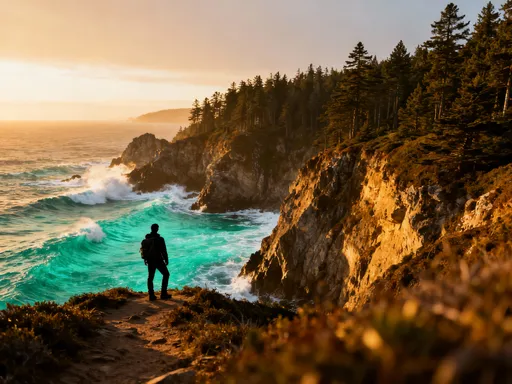
Tucked along Croatia’s sun-kissed Adriatic coast, Zadar is more than ancient stone and sea organs. Beyond the old town’s charm lies something raw and untouched—protected natural spaces where cliffs plunge into turquoise waters and rare birds ride coastal winds. I went not just to visit, but to understand how preservation and travel can coexist. What I found wasn’t just beauty—it was balance. And it’s worth protecting.
Arrival in Zadar: First Impressions Beyond the Guidebooks
As the morning sun spills over the Adriatic, Zadar emerges like a mosaic of history and horizon. The city’s stone walls, worn smooth by centuries of wind and salt, stand as silent witnesses to Roman emperors, medieval traders, and modern travelers. Yet beyond the cobblestone alleys and the melodic chime of the Sea Organ, a different rhythm pulses—one shaped by nature rather than architecture. This is where the wild coast begins, not with fanfare, but with quiet insistence.
Most visitors arrive drawn by Zadar’s cultural landmarks—the Roman forum, the Church of St. Donatus, the modern art installation known as Greeting to the Sun. These are worthy of admiration, but they represent only one layer of the region’s identity. For those willing to look beyond the curated postcard views, the surrounding landscape reveals a more primal essence. The transition from city to coast is seamless, almost intentional: within minutes of leaving the old town, one can stand on a rocky outcrop overlooking a bay so clear it mirrors the sky.
What sets Zadar apart from other Adriatic destinations is its proximity to protected natural areas. Unlike coastal cities that have expanded unchecked into fragile ecosystems, Zadar maintains a respectful distance from its wilder neighbors. This balance makes it a model for eco-conscious travelers—those who seek beauty without exploitation, adventure without damage. Here, tourism doesn’t dominate the land; it moves alongside it, like a guest mindful of its host.
The Heart of the Protected Coast: Paklenica National Park’s Wild Embrace
Nestled at the southern edge of Velebit Mountain, just a short drive from Zadar, Paklenica National Park is the wild heart of Croatia’s coastal conservation. Spanning over 70 square kilometers, it is one of the country’s most significant protected areas, renowned for its dramatic canyons, dense forests, and rich biodiversity. The park is divided into two main canyons—Mala Paklenica and Velika Paklenica—each carved by water and time into the limestone massif, creating narrow passages flanked by towering cliffs.
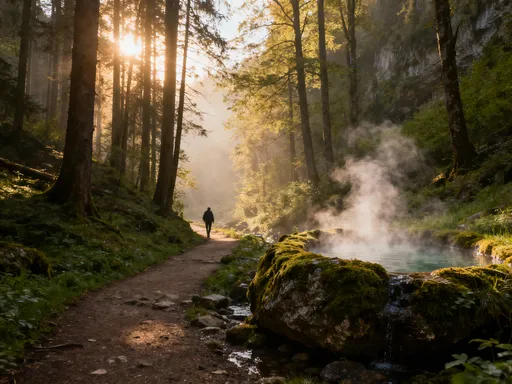
Walking into Velika Paklenica feels like stepping into another world. The air cools as the sun is filtered through pine and beech trees, and the only sounds are the crunch of gravel underfoot and the distant cry of a peregrine falcon. Trails wind upward through shaded groves, leading hikers into high-altitude meadows where wildflowers bloom in spring and early summer. The park is home to over 1,000 plant species, including several endemic varieties found nowhere else on Earth.
Wildlife thrives here in relative isolation. Golden eagles soar above the ridgelines, while chamois—graceful goat-antelopes—navigate the steep slopes with ease. Smaller creatures, from the Balkan lynx to the European wildcat, are rarely seen but leave their mark in the quiet rustle of underbrush. Birdwatchers come from across Europe to spot rare species like the Eurasian pygmy owl and the short-toed snake eagle, both of which have stable populations within the park.
Conservation efforts in Paklenica are both rigorous and visible. Rangers patrol the trails, ensuring visitors stay on marked paths and do not disturb nesting sites. Educational signage explains the fragility of karst ecosystems and the importance of preserving old-growth forests. Controlled access to certain areas prevents erosion and habitat fragmentation. These measures have allowed the park to remain a sanctuary, not just for wildlife, but for those seeking solitude and connection with the natural world.
Islands of Silence: The Dalmatian Archipelago’s Hidden Reserves
Off the coast of Zadar, scattered like emeralds on sapphire water, lie the islands of the northern Dalmatian archipelago. Among them are quiet sanctuaries—small, sparsely populated, and protected by national and European conservation programs. Islands like Iž, Ugljan, and Dugi Otok host some of the Adriatic’s most pristine environments, where human presence is minimal and nature reigns undisturbed.
Telašćica Nature Park, located on the southern coast of Dugi Otok, is a masterpiece of coastal preservation. The bay curves inward like a crescent, sheltered from strong winds and currents, creating calm waters ideal for swimming, kayaking, and marine life. At its center lies Lake Mir, a unique saltwater lake whose level rises and falls with the tides, supporting a delicate ecosystem of algae, crustaceans, and migratory birds. Cliffs up to 160 meters high line the outer edge of the bay, offering panoramic views and nesting grounds for seabirds.
Iž and Ugljan, though closer to the mainland, remain refreshingly untouched by mass tourism. Iž, often called the “green island,” is known for its organic olive groves and quiet villages where time moves slowly. There are no large hotels, no neon signs—just stone houses, family-run farms, and footpaths that lead to hidden coves. Ugljan, while slightly more developed, still prioritizes low-impact tourism, with cycling routes and agritourism accommodations that blend into the landscape.
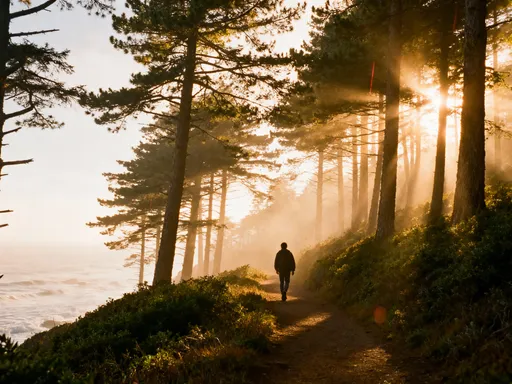
Local regulations play a crucial role in maintaining these islands’ integrity. Building permits are strictly controlled, and new construction near the coast is limited. Waste management systems are designed to minimize pollution, and fishing practices follow seasonal bans to protect breeding populations. Visitors are encouraged to anchor in designated zones to prevent damage to seagrass beds, which are vital nurseries for marine species. These rules are not always visible, but their effects are: water so clear you can see fish darting between rocks, air scented with wild rosemary and pine, and nights so dark that the Milky Way glows overhead.
Why Protection Matters: Balancing Tourism and Ecology
The preservation of Zadar’s natural spaces is not accidental—it is the result of deliberate, science-based policy and community engagement. At the heart of this effort is Croatia’s participation in the Natura 2000 network, a European Union initiative designed to protect biodiversity across member states. This network includes over 40 sites in the Zadar region alone, covering forests, wetlands, marine areas, and cliffs, all designated for their ecological significance.
These protections are essential, because the pressures on coastal ecosystems are real and growing. Seasonal tourism surges bring thousands of visitors each summer, increasing waste, straining infrastructure, and threatening fragile habitats. Unregulated boat traffic can damage seagrass meadows, while poorly managed coastal development leads to erosion and loss of native vegetation. Climate change adds another layer of risk, with rising sea temperatures affecting marine life and more frequent droughts stressing forest ecosystems.
Yet there are reasons for hope. Conservation programs in the region have achieved measurable success. Reforestation projects in the Velebit range have restored native pine and beech forests, improving habitat connectivity for wildlife. Wildlife monitoring systems use camera traps and acoustic sensors to track species like the brown bear and the wolf, providing data that informs protection strategies. Sustainable visitor management—such as timed entry to popular trails and eco-certification for tour operators—helps distribute tourism’s impact more evenly.
Local rangers and conservation volunteers, many of whom have lived in the region for generations, speak with quiet pride about their work. They describe a shift in public awareness—more visitors now ask how to minimize their footprint, where to find eco-friendly tours, and how to support local conservation. This cultural change is perhaps the most powerful tool in the fight to protect these landscapes. When people understand what is at stake, they are more likely to act responsibly.
How to Visit Responsibly: Practical Tips for Travelers
Traveling responsibly in Zadar’s protected areas doesn’t require grand gestures—just mindful choices. The first step is transportation. Opting for public ferries instead of private boats reduces fuel emissions and minimizes disturbance to marine life. Once on land, renting a bicycle or using local buses instead of renting a car helps lower carbon output and keeps rural roads less congested.
Accommodation choices matter just as much. Staying in family-run guesthouses, eco-lodges, or rural farm stays not only supports the local economy but also ensures a smaller environmental footprint. These lodgings typically use less energy, produce less waste, and are more likely to source food locally. Look for properties with eco-certifications or those that openly share their sustainability practices, such as using solar power or collecting rainwater.
When exploring nature, sticking to marked trails is non-negotiable. These paths are designed to prevent soil erosion and protect plant life. Venturing off-trail may seem harmless, but repeated foot traffic can destroy rare species and disrupt animal behavior. Similarly, avoiding littering—especially single-use plastics—is critical. Even biodegradable items like fruit peels can introduce foreign microbes into delicate ecosystems.
Respecting wildlife means keeping a distance, not feeding animals, and avoiding noise pollution. This includes turning off music when hiking and refraining from using drones in protected zones. Supporting local communities through authentic dining experiences—such as eating at small konobas (family-run taverns) that serve seasonal, regional dishes—ensures that tourism benefits those who steward the land. Choosing guided tours led by local naturalists not only enhances understanding but also funds conservation efforts directly.
A Day in the Life: From Sunrise to Sunset in a Protected Landscape
Imagine a day shaped not by schedules, but by light and tide. It begins before dawn at the edge of the Krka River estuary, where the first glow of morning paints the sky in soft gold. A small group of birdwatchers moves quietly along a wooden boardwalk, binoculars raised toward the reeds. Herons stand motionless in shallow water, while kingfishers flash like blue sparks between the banks. This is a place of stillness, where even breathing feels too loud.
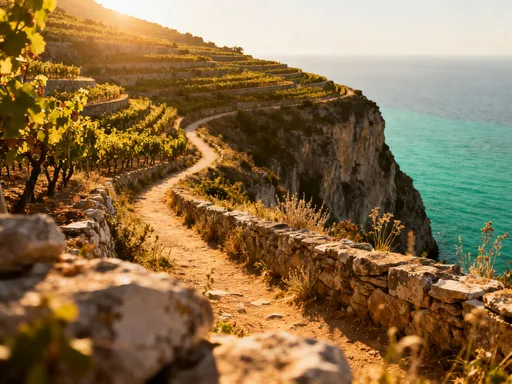
By mid-morning, the sun climbs higher, and the path leads into a protected coastal forest on the slopes of Velebit. The air is rich with the scent of pine and thyme. A local guide explains how these forests act as natural water filters, their roots holding the soil in place and preventing runoff into the sea. Lunch is simple but nourishing—freshly baked bread, goat cheese from a nearby farm, olives harvested by hand, and wine from a small vineyard on the island of Pag. There are no plastic wrappers, no disposable containers—just real food, shared in silence.
In the afternoon, the group kayaks along a quiet stretch of coastline, gliding over water so transparent that every pebble on the seabed is visible. The only sounds are the dip of paddles and the occasional splash of a fish. They stop at a secluded cove, where swimming is a pure pleasure—no crowds, no music, just the cool embrace of the Adriatic. Children laugh as they float on their backs, watching clouds drift across the sky.
As evening falls, the group gathers on a rocky promontory to watch the sunset. This is Zadar’s famed “sea of light,” where the horizon blazes in shades of pink and orange, reflected in the water below. But tonight, there is no crowd, no performance—just the natural spectacle, uninterrupted. The stars emerge one by one, and someone whispers, “This is what peace feels like.” It’s a moment of deep connection—to place, to each other, to the planet.
The Future of Zadar’s Wild Places: What Travelers Can Help Preserve
The future of Zadar’s wild coast depends not on grand policies alone, but on the everyday choices of travelers. Sustainable tourism is not a niche trend—it is a necessity. As more people seek authentic, meaningful experiences, the demand for responsible travel grows. This shift offers hope, but it must be guided by education and intention.
Local communities are already leading the way. Schools incorporate environmental education into their curricula, teaching children about native species and the importance of clean water. Signage in parks and along trails explains ecological principles in clear, accessible language. Community-led clean-up events and tree-planting initiatives foster a culture of stewardship. These efforts create a foundation, but they need support from visitors who come with respect and curiosity.
Global travelers have more influence than they realize. Every decision—to stay in a green-certified hotel, to choose a low-impact tour, to avoid single-use plastics—sends a message. It tells local businesses that sustainability matters. It encourages governments to maintain protections rather than weaken them for short-term profit. And it helps fund conservation through eco-taxes and park entrance fees that directly support rangers and restoration projects.
The vision for Zadar’s wild places is not one of exclusion, but of shared responsibility. These landscapes are not museums to be viewed from behind glass; they are living, breathing systems that thrive when cared for. Travelers are not outsiders—they are participants in a larger story of balance and renewal. When we visit with humility and care, we become part of the solution.
Zadar’s true magic isn’t only in its Roman ruins or sea organ melodies—it lives in the whisper of wind through untouched pine forests and the ripple of water in secluded inlets. These protected areas are not just scenic backdrops; they’re living systems worth defending. When we choose to travel with care, we don’t just witness beauty—we help ensure it endures.